![[Korea’s Liberation Day Special] Seoul’s ‘Hidden’ Stories: A Journey to Discover History](https://corebrilliance.blog/wp-content/uploads/2025/08/ec849ceb8c80ebacb8ed9895ebacb4ec868c_eab5adeab080ec9ca0ec82b0ecb2adeab5adeab080ec9ca0ec82b0ed8faced84b8.jpg?w=1024)
While I usually only write about places I’ve personally visited, today is a very special occasion. This year marks the 80th anniversary of Korea’s Liberation Day (광복절), and it felt important to share a different kind of guide. As you can imagine, I love the historical sights of Seoul—the way ancient palaces stand proudly amidst modern skyscrapers. This unique blend is what makes the city so attractive. Today, however, I wanted to go beyond just the beautiful scenery and focus on the profound history behind it all, to honor the stories that brought about this day.
Before we begin, a quick note on the history. You might hear people use the words “colonialism” and “imperialism” interchangeably, but here’s the difference: “imperialism” is the big picture strategy of building an empire, while “colonialism” is the specific act of a foreign power taking direct control of a territory. Japan’s rule over Korea was a clear case of both, and a significant period in our shared history.
1. Independence Gate (독립문): The Paradox of a Nation’s Freedom
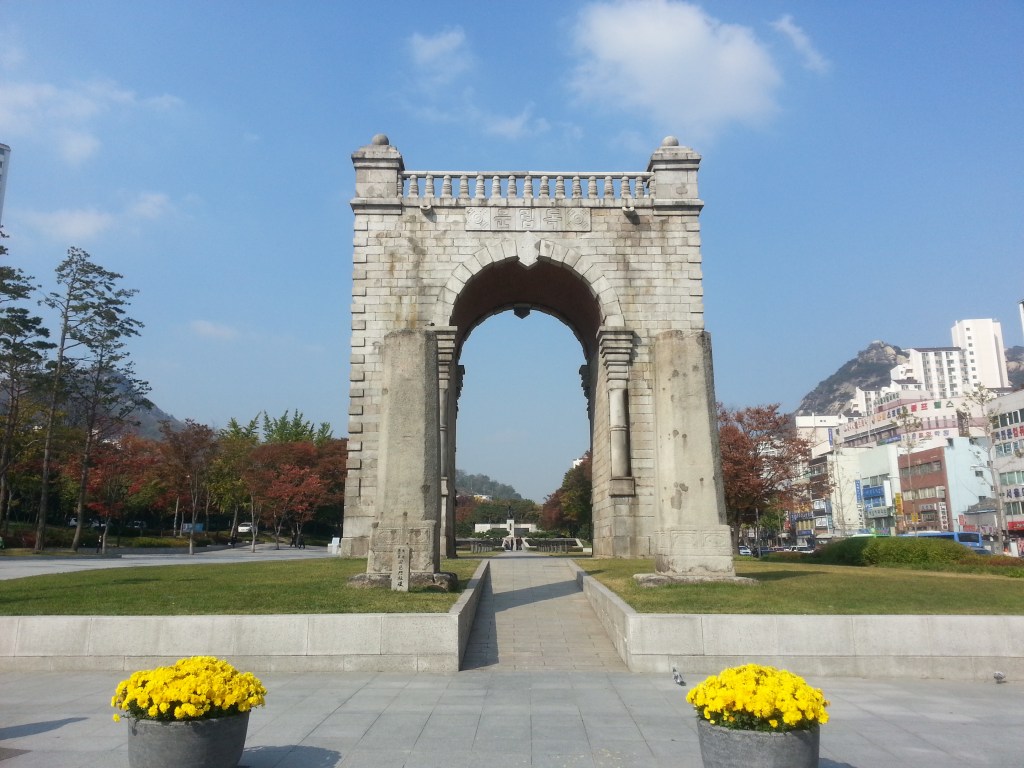
- The ‘Secret’ History: The Independence Gate was built in 1897 to proclaim Korea’s sovereignty by severing its long-standing tributary relationship with China. This made it a paradox during Japanese rule: while Japan systematically destroyed so much of Korea’s heritage (like the royal buildings at Gyeongbokgung and Changgyeonggung), they allowed the Independence Gate to stand. This wasn’t an act of respect, but a calculated move. Japan wanted to ensure Korea’s complete independence from China so it could more easily assert its own power and control over the peninsula. The gate, a symbol of freedom from one power, was kept as a tool to aid the conquest by another.
- Visitor Information:
- Address: 서울특별시 서대문구 현저동 941 | Google Maps
- Nearest Subway Station: Dongnimmun Station (Line 3) – Exit 4
- Important Tips: As a public monument in a park, there is no admission fee or specific visiting hours. It’s a great place to begin your tour of the area, as it’s located directly between Seodaemun Prison History Hall and the National Memorial of the Korean Provisional Government (KPG).
- Address: 서울특별시 서대문구 현저동 941 | Google Maps
2. Seodaemun Prison History Hall: A Record Written in Blood and Tears

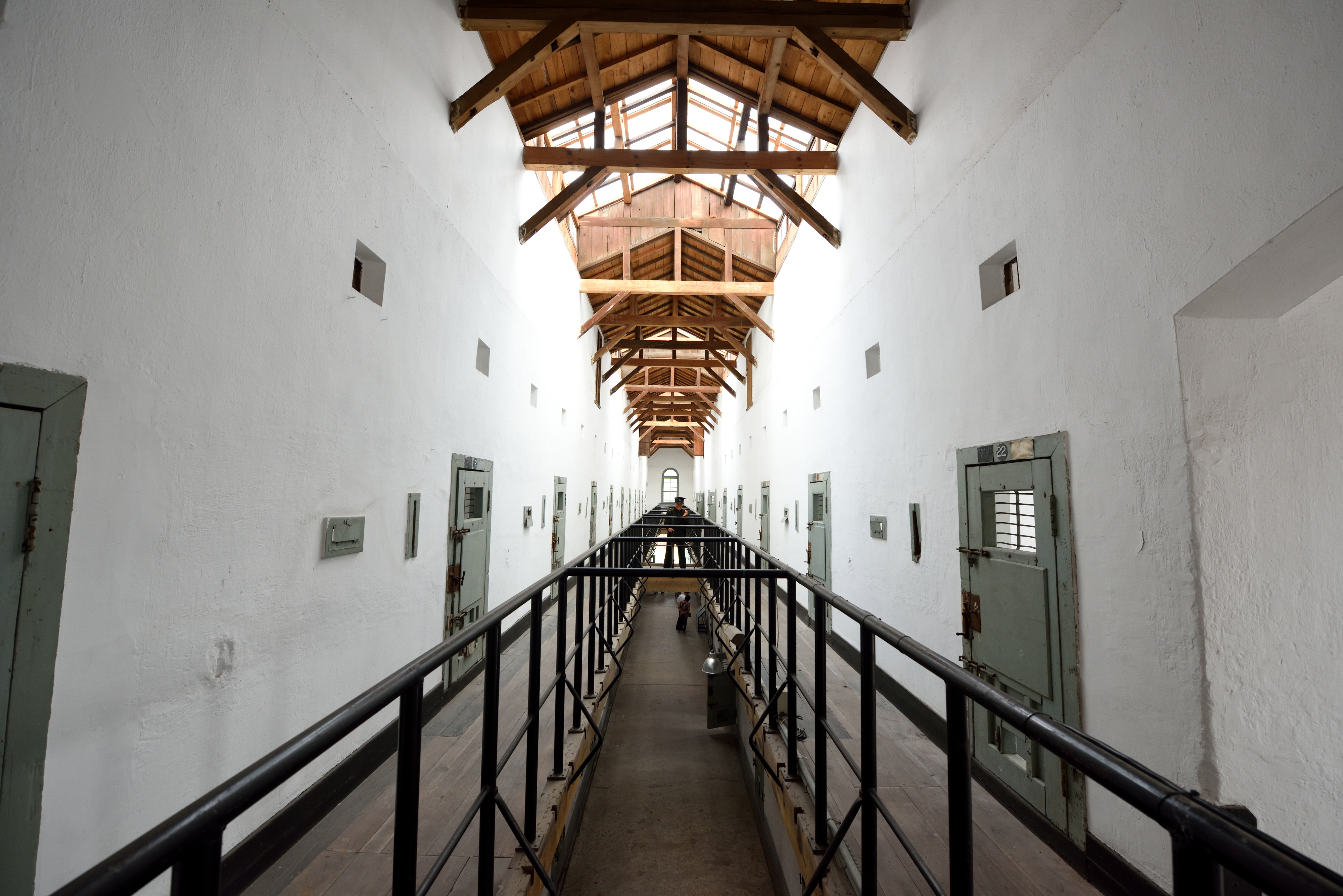
- The ‘Secret’ History: This is not just a prison; it’s a monument to suffering and sacrifice. Built by the Japanese to suppress independence fighters, the prison saw unimaginable atrocities. You can see the solitary confinement cells designed to break the spirits of prisoners and the grim ‘execution facility’ with a secret passage for disposing of bodies. It’s a truly powerful place that makes you feel the weight of history.
- Visitor Information:
- Address: 서울특별시 서대문구 통일로 251 | Google Maps
- Nearest Subway Station: Dongnimmun Station (Line 3) – Exit 5
- Official Website: https://sphh.sscmc.or.kr/_eng/
- Important Tips: The museum is closed on Mondays. The exhibits include powerful videos and recreations of the torture cells, so allow plenty of time to explore everything.
- Address: 서울특별시 서대문구 통일로 251 | Google Maps
3. National Memorial of the Korean Provisional Government: The Journey of a Government in Exile
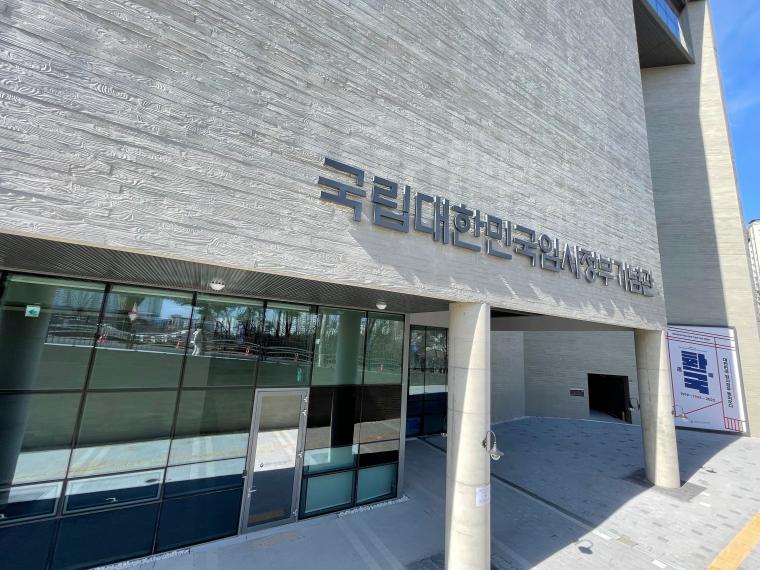
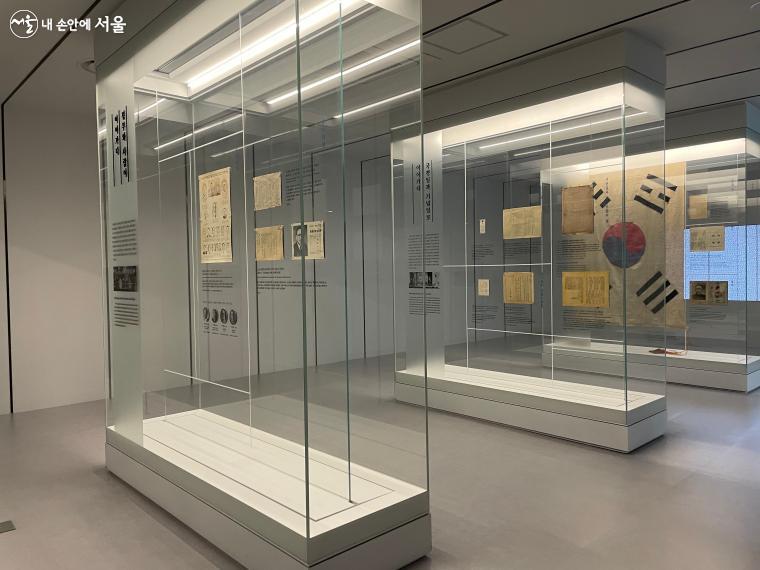
- The ‘Secret’ History: Following the March 1st Movement of 1919, the Korean Provisional Government (KPG) was established in Shanghai to show the world the Korean people’s determination for independence. This museum is a testament to the KPG’s 27-year struggle abroad, a beacon of hope and a symbol that a Korean state continued to exist in the minds of its people even without a physical home.
- Visitor Information:
- Address: 서울특별시 서대문구 통일로 279-24 | Google Maps
- Nearest Subway Station: Dongnimmun Station (Line 3) – Exit 5
- Official Website: https://www.nmkpg.go.kr/en
- Important Tips: Admission is free. If you want a deeper understanding, check the website for information on guided tours.
- Address: 서울특별시 서대문구 통일로 279-24 | Google Maps
After visiting these solemn sites, consider a reflective walk up nearby Inwangsan Mountain. The trail offers a serene escape and a breathtaking panoramic view of Seoul. Following a day of remembering Korea’s painful history of resistance, the journey up the mountain can be a symbolic way to look toward a hopeful future. For more details on the trail, check out my recent post here: link to the post.
4. Deoksugung’s Dondeokjeon Hall: A Story of Destruction and Rebirth


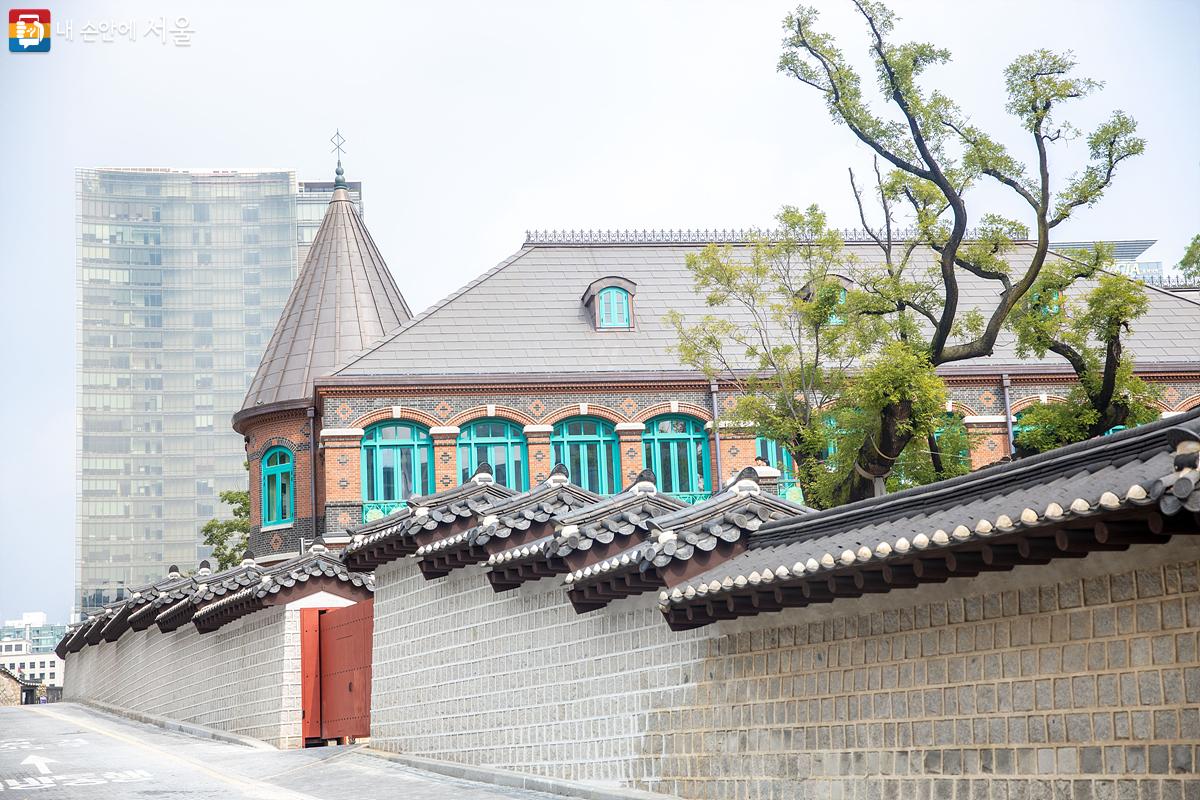
- The ‘Secret’ History: Today, Dondeokjeon stands as a symbol of resilience. But this beautiful, Western-style reception hall was destroyed by the Japanese after they forced Emperor Gojong to abdicate. After a century, it was rebuilt and reopened to the public in 2023. This palace is particularly unique because it’s home to a fascinating blend of traditional Korean and Western-style buildings, many of which were built during the Japanese colonial period. While their construction is tied to a complex history, they now serve new, positive purposes as art museums and exhibition halls, inviting visitors to contemplate the full, complex legacy of the era. The story of Dondeokjeon’s demolition and subsequent resurrection, alongside these other buildings, makes it a powerful symbol of reclaiming history.
- Visitor Information:
- Address: 서욽특별시 중구 세종대로 99 (Inside Deoksugung Palace) | Google Maps
- Official Website: https://royal.khs.go.kr/ENG/contents/E104010000.do
- Important Tips: You only need to pay the standard Deoksugung admission fee to enter. Make sure to check the palace map to locate the hall.
5. Changgyeonggung Palace: A Palace Reclaimed from a ‘Zoo’

Changgyeonggung Palace (Source: Korea Heritage Service) 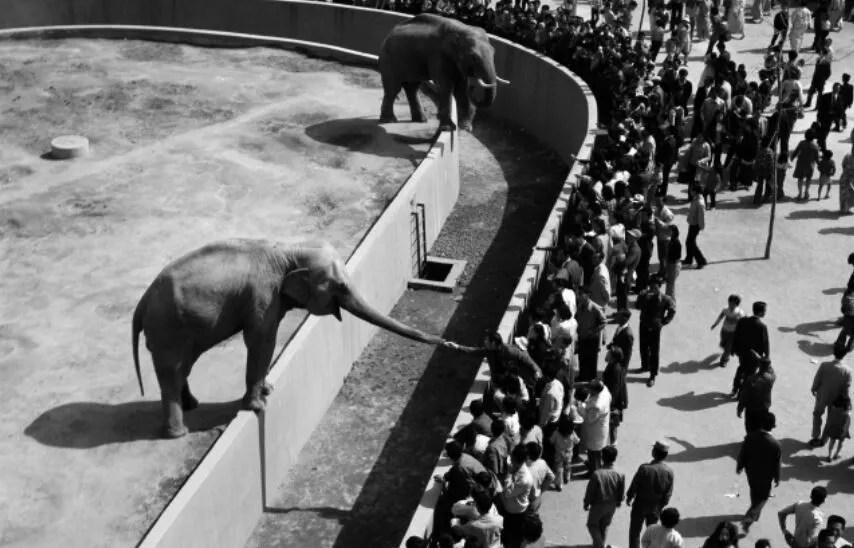
Changgyeonggung Zoo in Japanese Colonial Period (Source: National Archives of Korea) 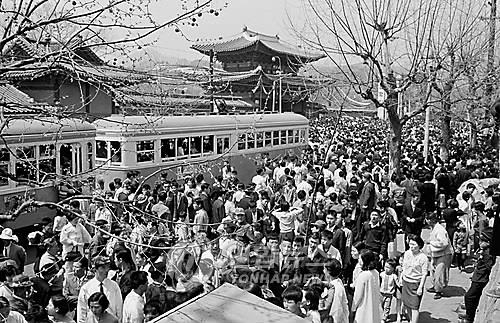
An old picture of Changgyeongwon (Source: Yeonhapnews) 
Grand Green House of Changgyeonggung in 1971 vs 2023 (Source: 셀수스협동조합) 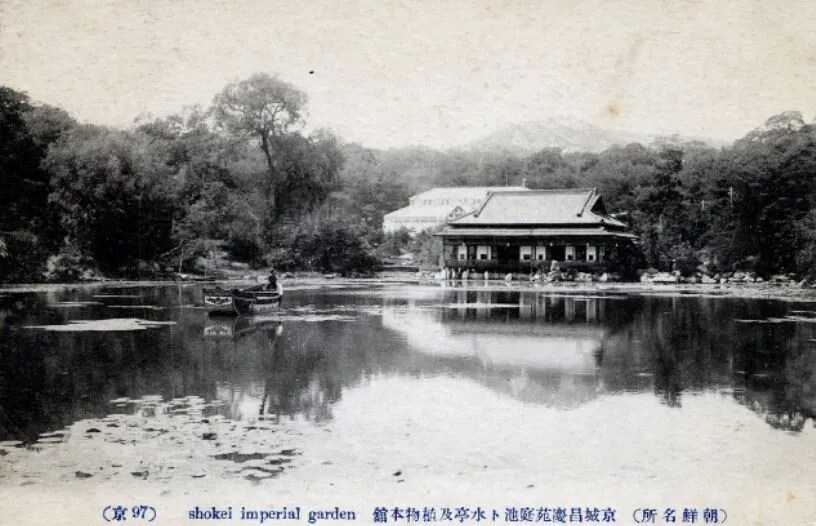
An old picture of Chundangji Pond at Changgyeonggung Palace (Source: Seoul History Museum)
- The ‘Secret’ History: Today, Changgyeonggung has been beautifully restored as a palace. But during the colonial period, the Japanese deliberately desecrated this royal residence. They tore down its royal buildings to create a zoo and a botanical garden, renaming it ‘Changgyeongwon’ to strip it of its dignity. It was a psychological and symbolic act to turn a sacred place into a spectacle. The zoo was eventually removed, but the beautiful Grand Greenhouse built during that time still stands today, a permanent reminder of that complicated era. The palace you see today is a result of decades of effort to return it to its original, rightful identity.
- Visitor Information:
- Address: 서울특별시 종로구 창경궁로 185
- Nearest Subway Station: Hyehwa Station (Line 4) – Exit 4, 15-min walk from the station.
- Official Website: https://royal.khs.go.kr/ENG/contents/E103010000.do
- Important Tips: The palace is closed on Mondays. Visiting during the evening hours when it’s lit up is a truly breathtaking experience.
- Address: 서울특별시 종로구 창경궁로 185
6. Gyeongbokgung Palace: Reclaiming the Nation’s Heart


- The ‘Secret’ History: Gyeongbokgung, the main palace of the Joseon Dynasty, was deliberately defaced by the Japanese. They tore down its main gate and key buildings to erect a massive, imposing Japanese Government-General Building directly in front of the palace. This was a direct assault on the nation’s spirit. On the 50th anniversary of Liberation, the building was finally demolished in a public, emotional event, and Gyeongbokgung was restored to its rightful form.
- Visitor Information:
- Address: 서울특별시 종로구 사직로 161
- Nearest Subway Station: Gyeongbokgung Station (Line 3) – Exit 5 / Gwanghwamun Station (Line 5) – Exit 2
- Official Website: https://royal.khs.go.kr/ENG/contents/E101010000.do
- Important Tips: The palace is closed on Tuesdays. You can get free admission if you wear a traditional Korean hanbok. Be sure to catch the Royal Guard Changing Ceremony at the main gate.
- Address: 서울특별시 종로구 사직로 161
- The Remains of History: While the Government-General Building that once stood in front of Gyeongbokgung was triumphantly demolished in 1995, a few of its pieces were intentionally preserved. Located at the Independence Hall of Korea (독립기념관) in Cheonan (충청남도 천안), its iconic dome and other remnants are not displayed to be honored, but to serve as a stark reminder of a painful past. The dome is buried five meters deep, forcing visitors to look down upon this symbol of colonial oppression—a final, powerful gesture of national victory and a commitment to never forget.
As you explore Seoul, you’ll see a city that is always moving forward, from the dynamic energy of K-Pop to the cutting-edge technology of its smart cities. But to truly understand Korea’s unique power and resilience, you have to look deeper. The ancient palaces and somber memorials we’ve explored aren’t just relics of the past; they are the very foundations upon which this modern nation was built. They are a physical reminder that its incredible progress was forged from the collective strength of a people who refused to be broken. So when you travel through Seoul, take a moment to look beyond the fun and active surface and feel the power of this moving-forward city—it’s an experience you’ll never forget.

Leave a comment